Smell the Coffee!

I have been developing my own film for over 4 decades and really enjoy the chemical processes in photography. It also helps that I have a degree in Chemistry too! This has led to me experimenting extensively with different developers, often making up my own from raw chemicals. Mixing my own chemistry allows me to use developers that are not commercially available, or are difficult to obtain, as well as trying out some heritage recipes that many have forgotten.
I hear many people, especially on YouTube, saying that film photography is expensive these days. It may be when you are constantly being told that you need to shoot Portra 400, and are reliant on a lab developing and scanning it for you! However, 95% of what I shoot is black and white, and this can be very cheap as long as you develop and scan it at home. Making up your own developers can reduce this cost significantly. I can make developers that cost me less than £2 per roll to process a film, and some less than £1! I’ll leave the very cheapest one for the future!
The other positive for me, after having spent most of my working life in health, safety and environmental management, is that I can select developers that are safer and more environmentally friendly than some commercial offerings. In recent years I have been trying, although not exclusively, to avoid formulae that use Hydroquinone and Metol, two of the most hazardous ingredients in many developers. Although Pyrogallol is also an ingredient that I personally would not like to handle neat. I buy my 510 Pyro ready mixed where the hazard is diluted.
Over recent months, I have really been enjoying Kentmere 200, in my opinion, the best of the three Kentmere films. Whilst it has visible grain, its contrast is much better than its two stablemates. The only thing is, being a relatively new film, there is a very limited list of development times on the Massive Development Chart. So time to experiment!
I went out into my local park and town and shot a short roll of 35mm in my trusty Nikon FM2N, a camera whose metering rarely lets me down. But which developer to try? I opted to mix up one of the very easiest, Caffenol, a coffee-based developer. There are a number of variants of Caffenol, but I decided on Caffenol C-L, a general purpose formula that works well for stand development and enhances film speed. If you’re interested in a deeper dive into Caffenol, download the Caffenol Cookbook here.
The recipe is relatively simple with ingredients that can be bought easily and cheaply. Although the C-M recipe is the easiest, because it doesn’t contain any Potassium Bromide, I prefer the variants that include it to prevent streaks of “Bromide drag”, especially on 35mm films. Otherwise the components are washing soda (NOT baking soda!), vitamin C and instant coffee (the cheaper the better). Just bear in mind that Caffenol is best mixed fresh, in a batch size for your film, and used straight away because it doesn’t keep. I also recommend fully dissolving each component in turn, before adding the next one, and stirring well. The coffee can take a bit of time to fully dissolve, make sure it is fully dispersed before using. Also if you have any doubts about your mains water quality, deionised water can be used; I don’t bother here in the UK. The recipe that I used was:
Washing Soda 16g per litre
Vitamin C 10g per litre
Potassium Bromide 1g per litre
Instant Coffee 40g per litre
I prefer weighing the ingredients, but there options to use spoon measures.
I have calculated that for 500ml, enough to develop two 35mm rolls or a roll of 120, this developer costs me a mere £1.65! Be warned though, the final mix has a unique aroma!
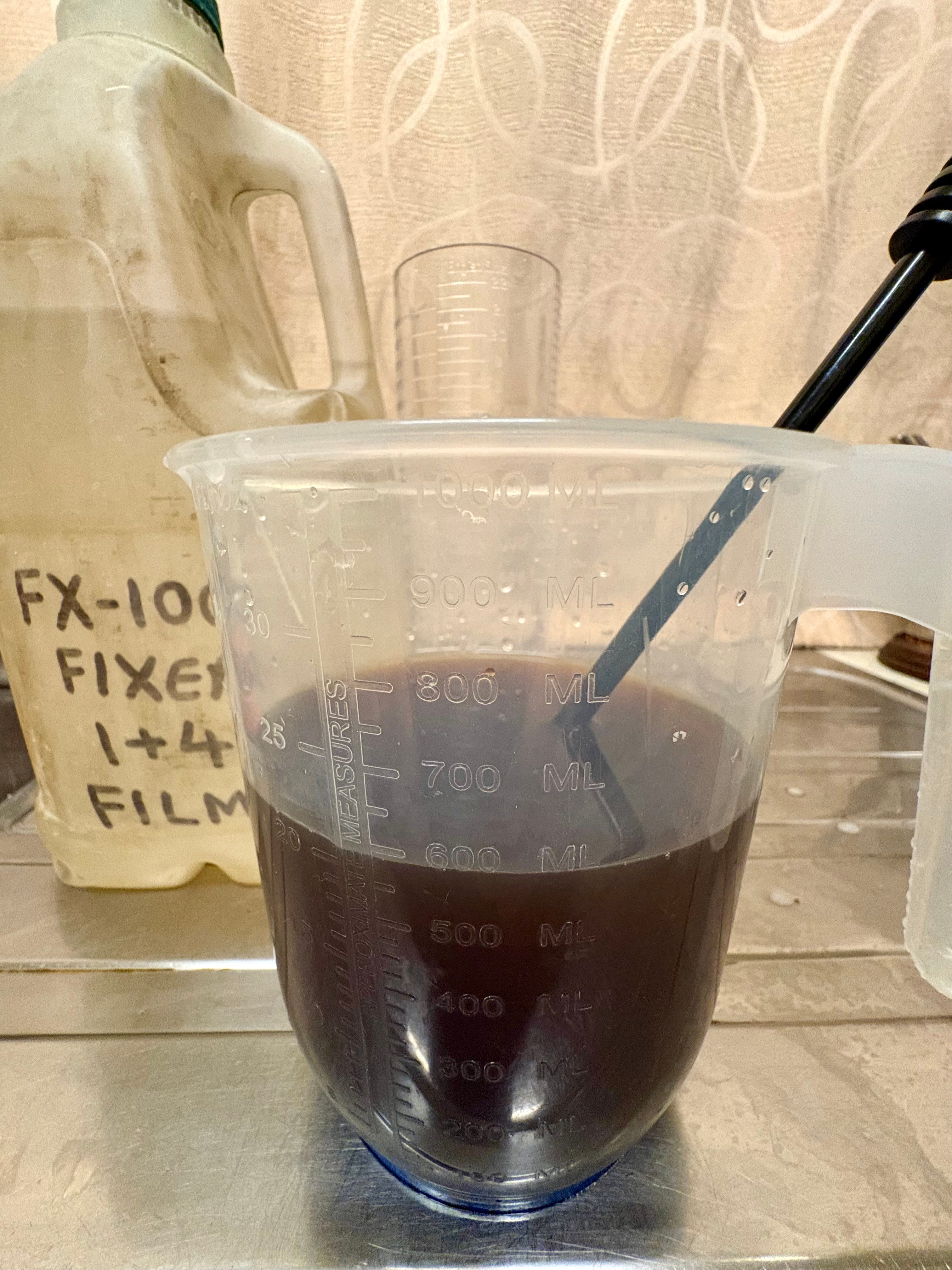
I follow the recommendations in The Caffenol Cookbook of prewashing the film, five minutes at 20C is sufficient. I then added the developer, also at 20C, agitated gently 10 times, tapped the tank to dislodge any air bubbles, and then left it to stand for 70 minutes. I use a thorough water stop, I would recommend two changes of water with Caffenol, and fix as normal. I use an alkaline fixer but any fixer will do.
Anyway, what were the images like? I scanned these on my Plustek 8200i 35mm scanner and made a few minor tweaks in Lightroom:
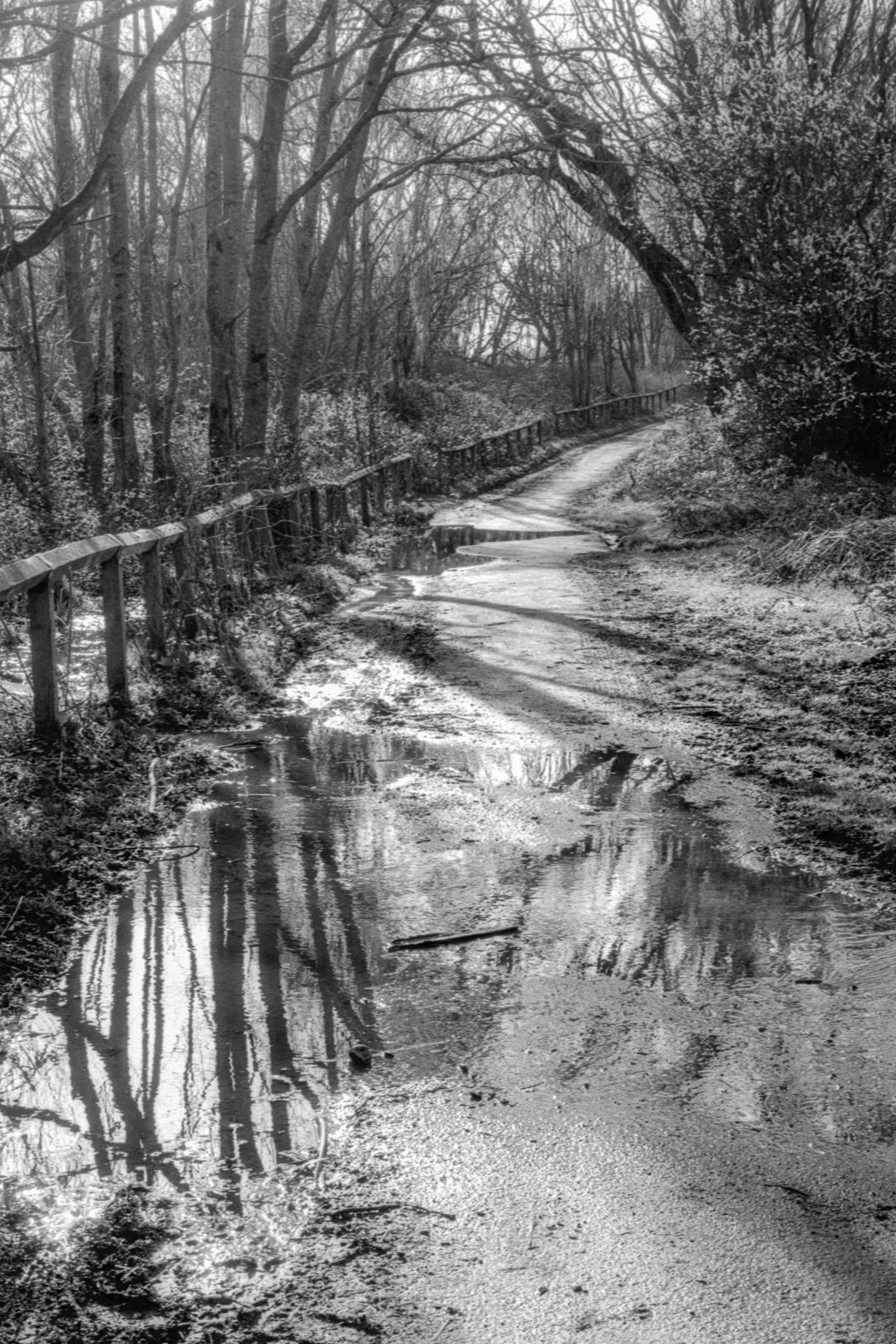
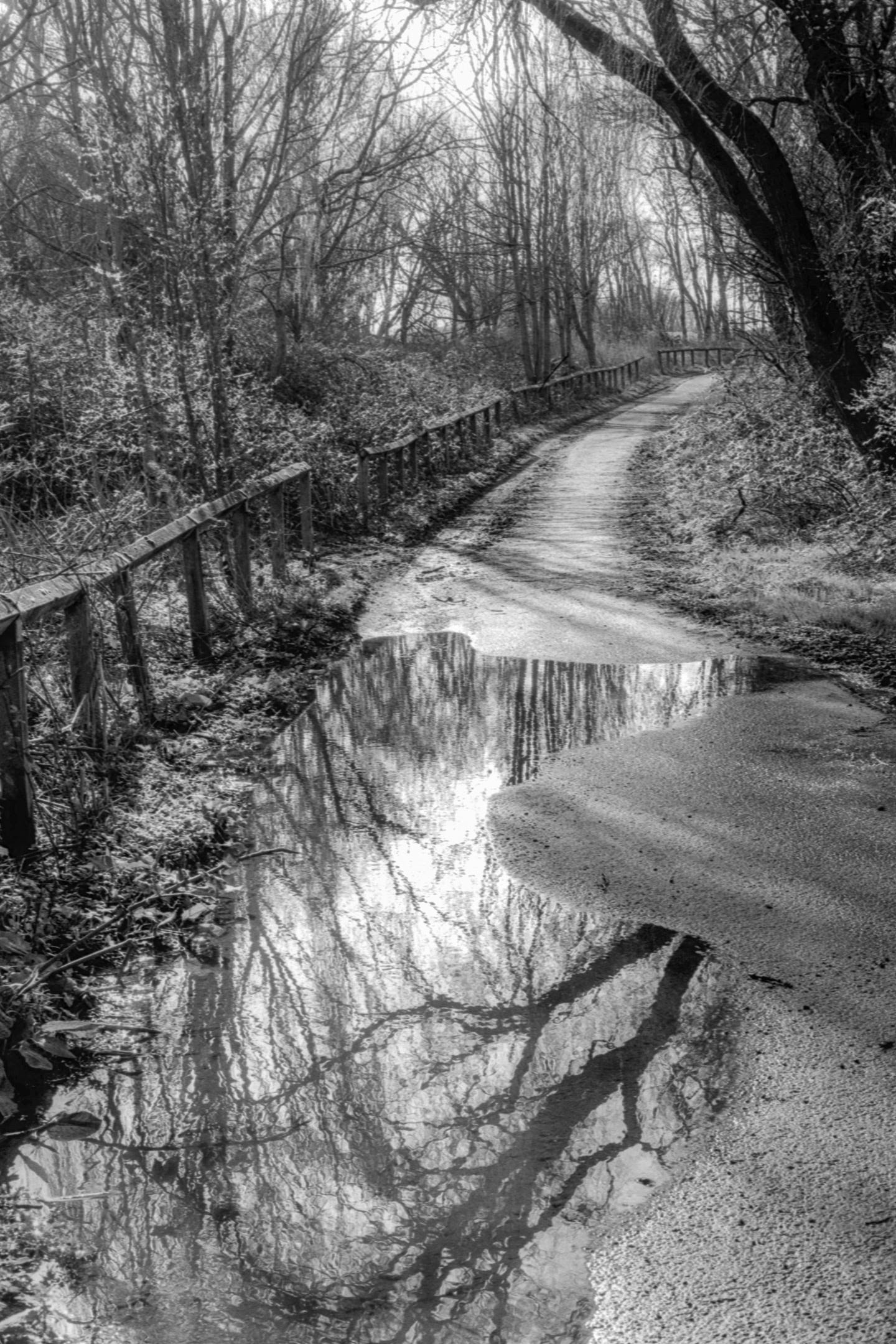
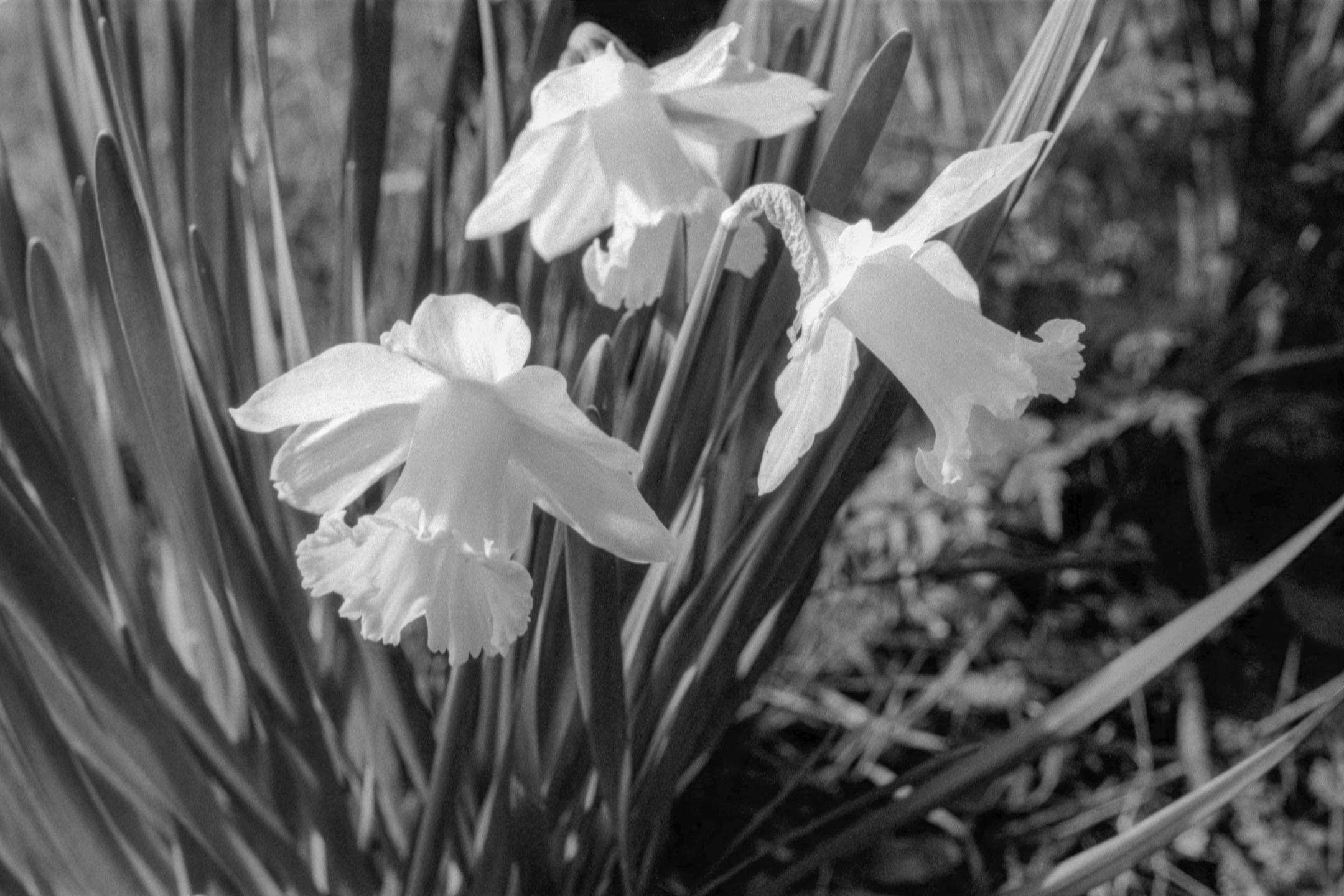
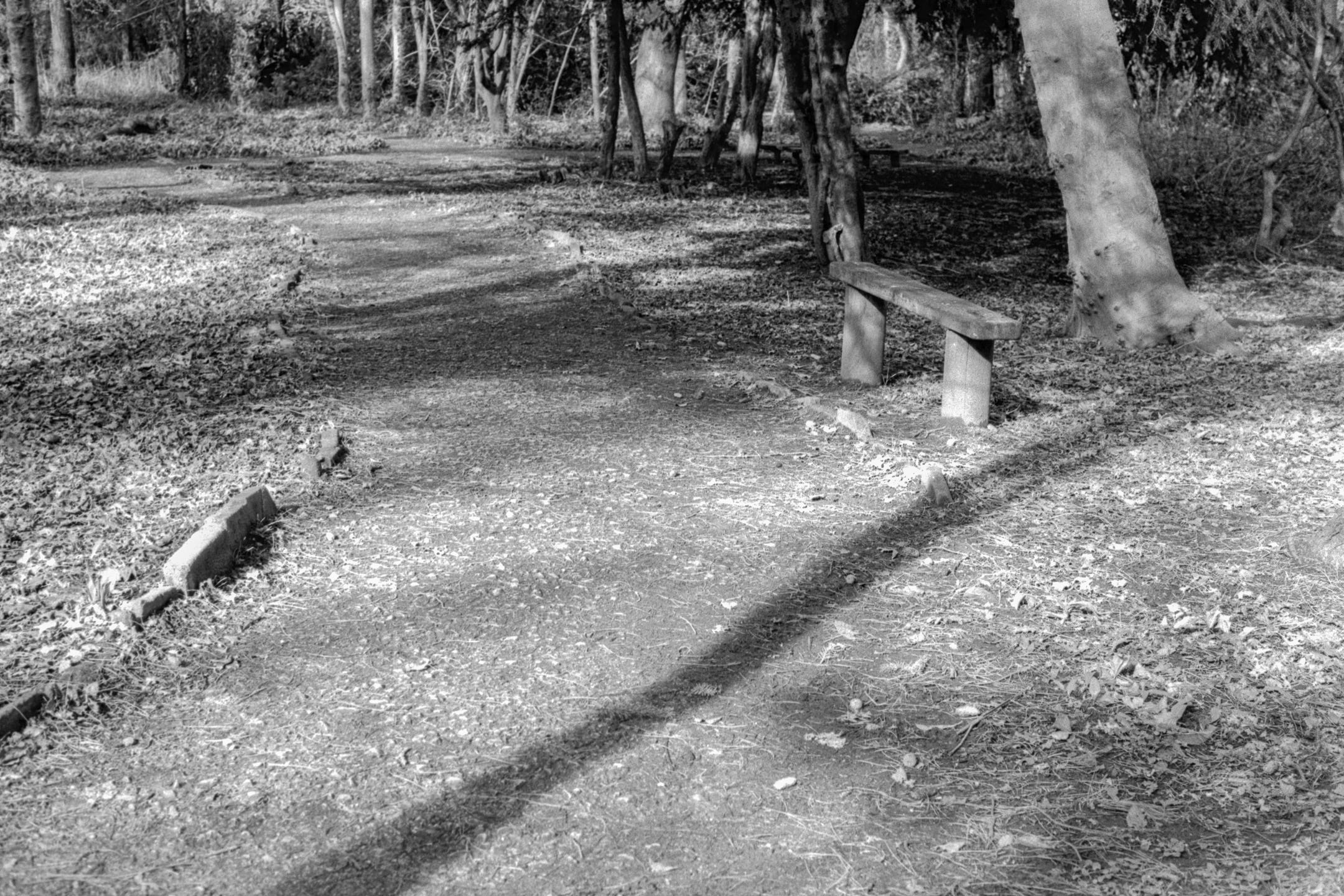
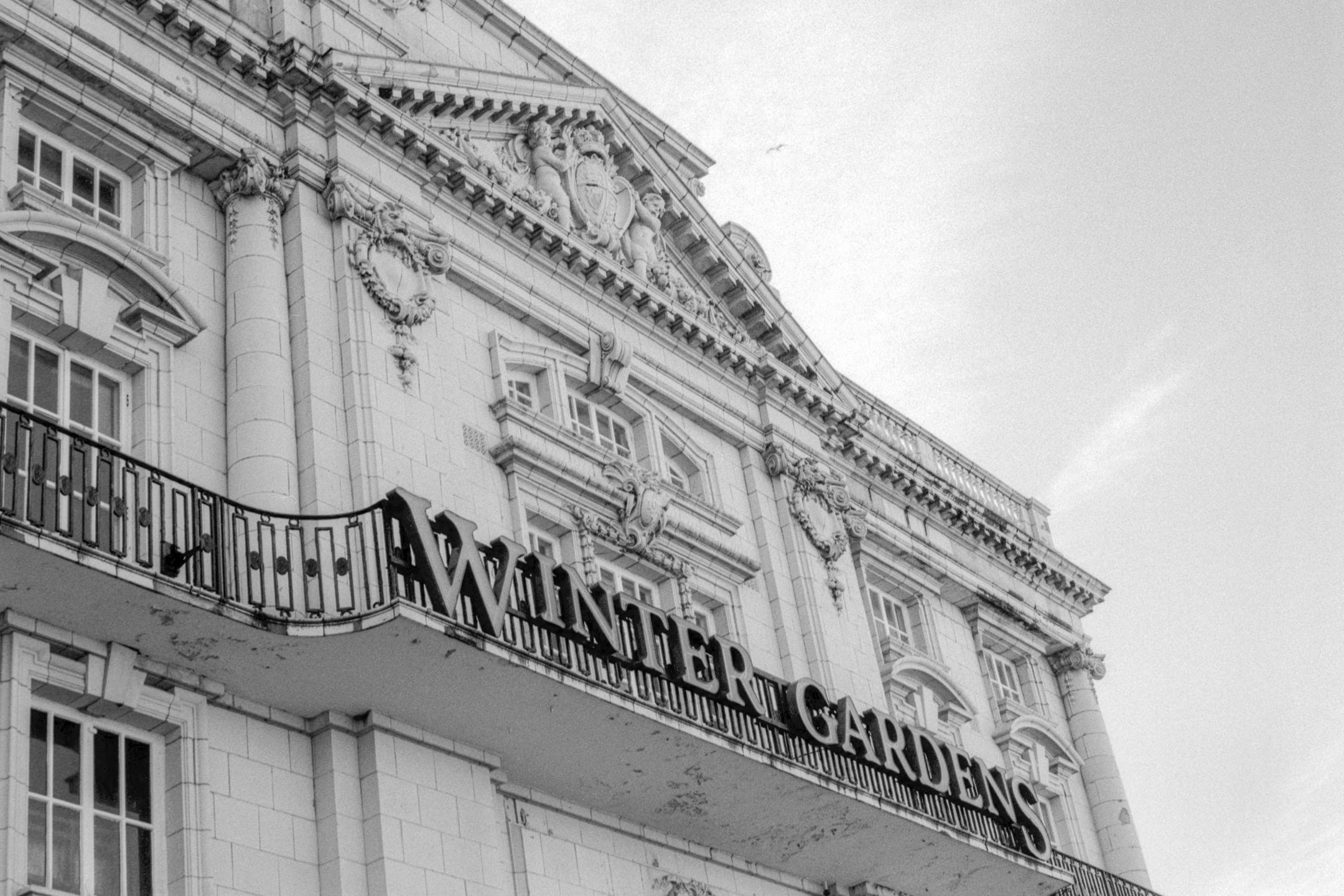
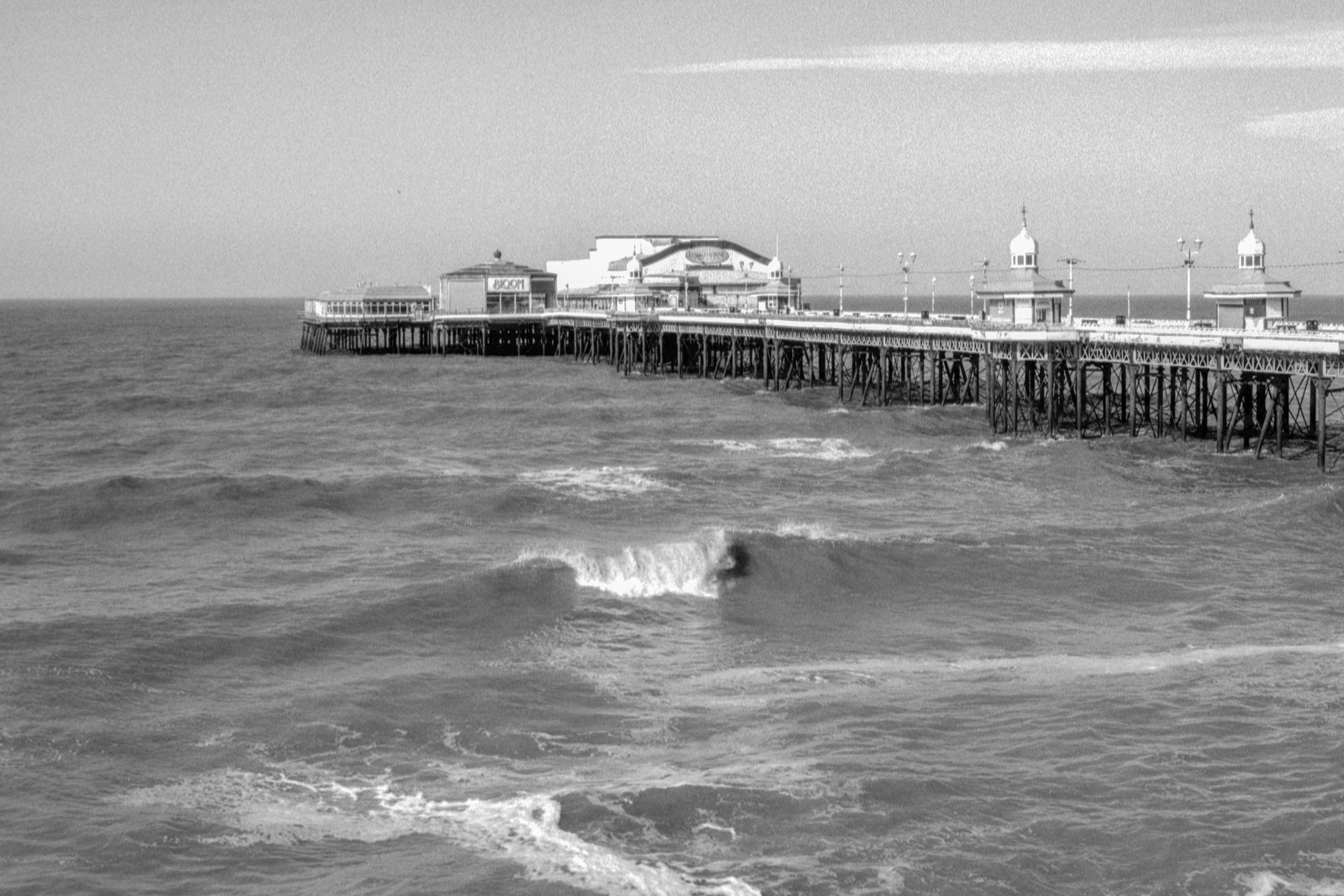
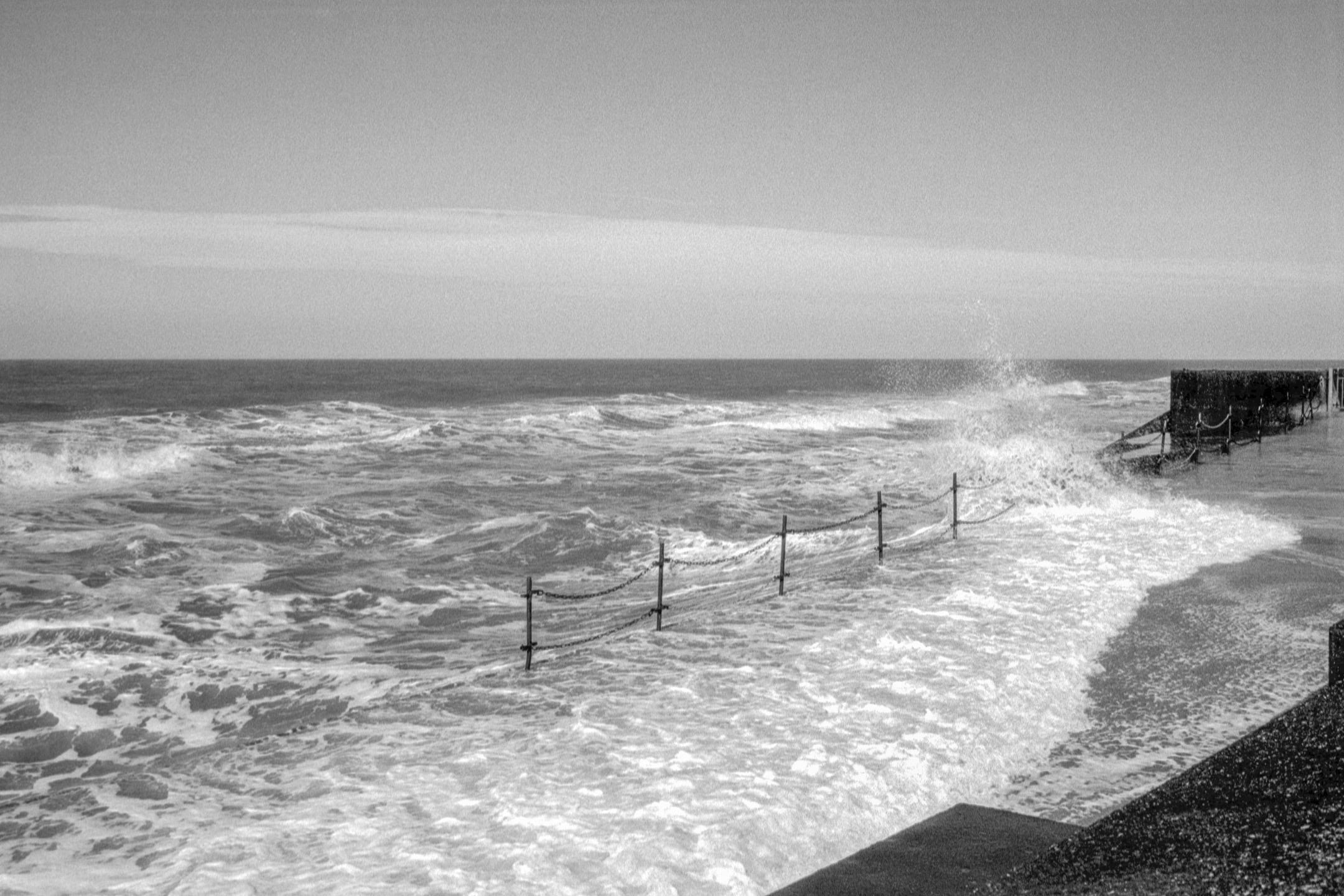


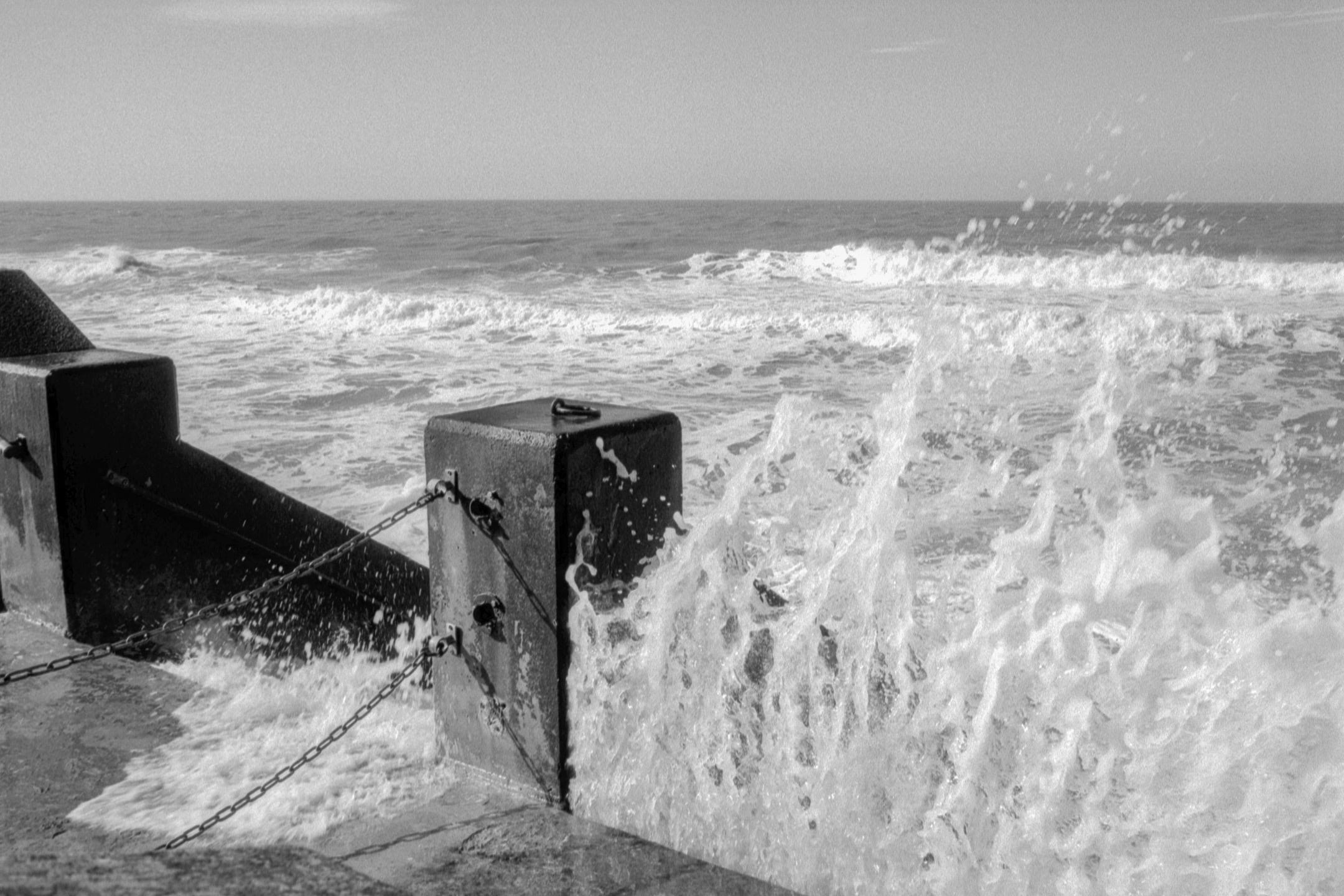
Overall, I am really pleased with these results, although it will never be my main developer. The grain, whilst visible, is well controlled and the sharpness is good. Most of the images appear to have good shadow details and not excessively blown out highlights, other than in the extremes of sunlit waves. Caffenol is an easy, cheap and fun developer to play with and I highly recommend it.
I hope that you have enjoyed this article. If so, please like, share, restack or comment. Many thanks to my growing group of subscribers.
Wow interesting about the coffee!! The images look good for sure too! How different was it compared to the usual developers?
Really cool stuff, and great results! I’ve only ever used HC-110, I might have to start experimenting with some homemade concoctions like this as well